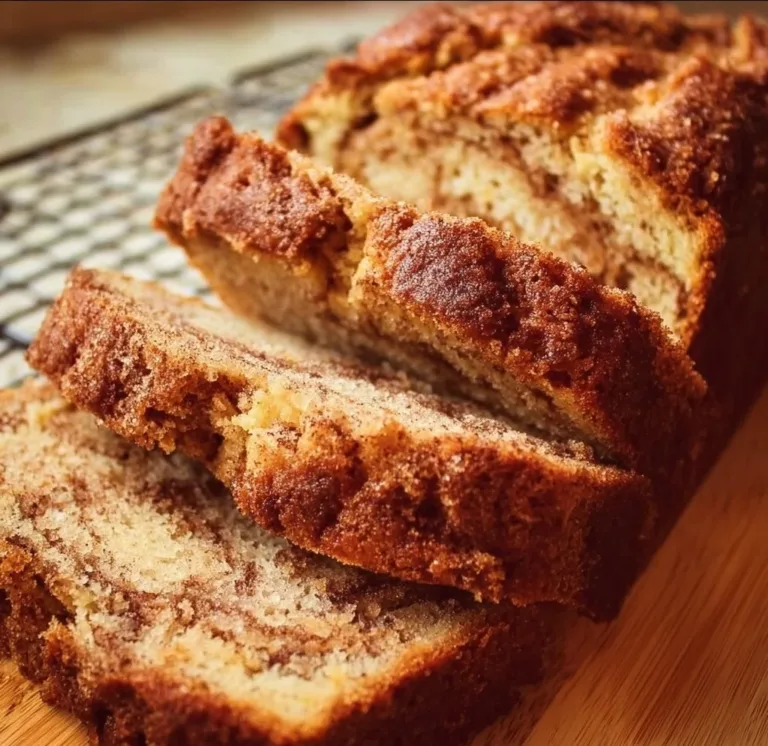

Ham and Cheese Sourdough Croissant Loaf
I still remember the first time I pulled this Ham and Cheese Sourdough Croissant Loaf from the oven — a golden, flaky crust giving way to pockets of nutty Gruyère and salty ham. It’s a hybrid between laminated viennoiserie and rustic sourdough, perfect for a weekend brunch or a show-stopping sandwich loaf. If you want a hearty, cheesy centerpiece for a family meal, try serving it next to creamy chicken mac and cheese for maximum comfort-food vibes.
Why you’ll love this dish
This loaf combines the tang and depth of sourdough with the butteriness of a croissant. The dough is enriched and laminated with butter (and grated Gruyère), so each bite has layers that flake and pull apart like a croissant but with the open crumb and sourness of naturally leavened bread. It’s ideal for:
- Weekend baking projects when you have a few hours to enjoy the process.
- Brunches, potlucks, or a hearty sandwich loaf for lunches.
- Using up leftover ham without losing any of its flavor.
“Buttery, tangy, and impossibly cheesy — this loaf disappears faster than I can slice it.” — A happy brunch guest
If you’re watching macros or want lighter sides, you can pair slices with low-carb options; consider browsing a collection of 12 quick and easy low-carb high-protein meals for ideas.
Step-by-step overview
Before you look at the ingredient weights, here’s how the recipe flows so you can plan time and fridge space:
- Build a small levain (pre-ferment) from your active starter and let it ripen 10–12 hours at ~78–80°F.
- Mix levain, water, salt and bread flour into a wet, sticky dough. Rest 30 minutes.
- Stretch-and-fold every 30 minutes for 1½ hours to build structure. During the folds incorporate cold butter and some grated Gruyère.
- Bulk ferment the dough 6–7 hours at room temperature until ~70% risen with visible bubbles.
- Stretch the dough, layer with the remaining cheese and diced ham, fold and roll into a loaf shape.
- Chill the shaped loaf overnight (12–18 hours) for cold fermentation and easy slicing.
- Bake in a preheated Dutch oven: covered 25 minutes at 450°F, then uncovered 20 minutes at 425°F until deeply golden and cooked through.
- Cool fully before slicing so the crumb sets.
What you’ll need
- 6 g sourdough starter — ripe, bubbly and active (about 1 teaspoon)
- 60 g all-purpose or bread flour (about 1/2 cup)
- 60 g water (about 1/4 cup)
- 120 g levain — ripe, bubbly and active (about ½ cup) (made from the starter and the 60 g flour/water above)
- 340 g water (about 1 cup plus 6 Tbsp) — room temperature
- 10 g salt (about 1 1/2 tsp)
- 500 g bread flour (about 3 1/2 cups)
- 113 g unsalted butter (about 1/2 cup) — cold, cut into pats or shredded
- 175 g shredded Gruyère cheese, divided (150 g for laminating plus 25 g reserved for sprinkling)
- 150 g diced ham (about 1 cup)
Ingredient notes and substitutions:
- Use a young, mildly tangy Gruyère for excellent melt and flavor. Emmental or sharp cheddar are workable substitutes but will change flavor.
- If you don’t have bread flour, a high-protein all-purpose flour can work; the dough will be slightly less elastic.
- For a brunch spread, small sweet bites like blueberry and lemon zest cottage cheese bites pair nicely with this savory loaf.
Step-by-step instructions
- Prepare the levain: mix 6 g active starter with 60 g flour and 60 g water. Cover and keep at 78–80°F for 10–12 hours until bubbly and doubled.
- Mix the dough: in a large bowl combine 120 g ripe levain and 340 g water. Stir to dissolve. Add 500 g bread flour and 10 g salt. Mix until a wet, sticky dough forms. Cover and rest 30 minutes.
- Develop gluten: perform stretch-and-folds every 30 minutes for 1½ hours (about three sets). To do a fold, lift one side of dough and fold it over itself; rotate bowl and repeat 4 times each session.
- Incorporate butter and cheese: after the final fold, spread or press cold butter into the dough and fold to encase. Continue gentle folds until the butter is mostly incorporated and you see layers. Sprinkle in about 150 g of shredded Gruyère as you fold so it laminates into the dough. Work quickly to keep butter cold.
- Bulk fermentation: cover the dough and let it rise 6–7 hours at room temp. It should be about 70% risen with visible bubbles and some jiggly movement. Do not overproof.
- Shape and fill: turn dough onto a floured surface. Gently stretch into a roughly rectangular sheet. Evenly scatter the diced ham and any remaining cheese, leaving a margin. Fold the dough over itself like a letter, then roll or shape into a loaf suitable for your Dutch oven. Seal seams.
- Cold retard: place the shaped loaf in a loaf banneton or lined pan, cover, and refrigerate overnight or up to 12–18 hours. This firms the butter and improves flavor.
- Preheat and bake: place a Dutch oven in the oven and preheat to 450°F for at least 20 minutes. Score the cold dough, sprinkle with the reserved 25 g Gruyère, and transfer it to the preheated Dutch oven. Cover and bake 25 minutes at 450°F. Remove the lid, reduce temp to 425°F, and bake another 20 minutes until deep golden and internal temp reaches ~200–205°F.
- Cool before slicing: remove loaf and cool on a rack at least 1 hour to let the crumb set. Slice and serve.

Best ways to enjoy it
- Serve warm with a pat of butter for brunch.
- Slice and use for sandwiches with Dijon mustard, pickles, and arugula.
- Pair with a fresh green salad and a bright vinaigrette to cut the richness.
- For appetizers or a party spread, offer a tangy dip alongside; try a tangy option like quick pepper jelly cream cheese appetizer dip and bites to balance the savory loaf.
Storage and reheating tips
- Room temperature: keep cut loaf in an airtight container or wrapped in foil for up to 24 hours. Because this contains ham, avoid leaving it out longer than 2 hours.
- Refrigerator: store wrapped in plastic wrap or an airtight container up to 3–4 days. Reheat slices in a 350°F oven for 8–12 minutes or toast until warmed through.
- Freezing: slice first for easy reheating. Freeze slices in a single layer on a tray, then transfer to a freezer bag for up to 2 months. Reheat from frozen in a 350°F oven for 12–18 minutes.
- Food safety: once reheated, consume within 24 hours. Discard if it develops off-odors or slime.
Pro chef tips
- Keep the butter cold. Cold butter creates steam pockets that produce flaky layers. If it softens, chill the dough briefly before continuing.
- Shred the Gruyère yourself. Pre-shredded cheese can include anti-caking agents that affect melt and texture.
- Use a thermometer. Aim for an internal temperature of 200–205°F to ensure the loaf is fully baked.
- Control proofing by feel and appearance. You want a jiggly, puffy dough with bubbles — not flat or collapsed.
- If you’re short on time, you can shorten the cold retard to 6 hours, but overnight gives the best flavor and structure. For brunch planning, shape the evening before and bake in the morning.
- Hosting tip: offer small sweet endings like mini cheesecakes with graham cracker crust to round out the meal.
Creative twists
- Ham swaps: use smoked turkey, prosciutto, or crisped bacon. Adjust salt accordingly.
- Cheese variations: try sharp cheddar and Swiss blend for a nuttier note. Add a small amount of Parmesan in the laminating butter for deeper umami.
- Herb boost: fold in chopped chives or thyme with the ham for a fresher profile.
- Sweet-savory: add a thin layer of fig jam under the ham for a sticky-sweet contrast.
Common questions
Q: Can I make this without a sourdough starter?
A: You can adapt it with yeast, but the levain and long ferment provide the signature sour tang and open crumb. If using instant yeast, use ~2 tsp yeast and shorten fermentation times dramatically.
Q: Is it safe to include ham inside the loaf?
A: Yes; the ham is baked inside and reaches safe temperatures during baking. Once baked, follow refrigeration guidelines: don’t leave it at room temp over 2 hours.
Q: My dough got greasy while laminating — what happened?
A: That usually means the butter became too warm and melted into the dough. Chill the dough for 20–30 minutes and continue laminating with colder butter or a cooler kitchen.
Q: Can I freeze the unbaked shaped loaf?
A: You can freeze it after shaping. Wrap tightly and freeze up to 1 month. Thaw in the fridge overnight and then bake as directed, allowing for a slightly longer bake time.
Q: How do I keep the crust crisp after baking?
A: Let the loaf cool fully on a rack to prevent steam condensation. Reheat slices uncovered in the oven to restore surface crispness.
Enjoy the ritual — the extended fermentation and laminating steps reward you with a loaf that’s flaky, savory, and wonderfully complex.


Ham and Cheese Sourdough Croissant Loaf
Ingredients
Method
- Mix 6 g active starter with 60 g flour and 60 g water. Cover and keep at 78–80°F for 10–12 hours until bubbly and doubled.
- In a large bowl combine 120 g ripe levain and 340 g water. Stir to dissolve. Add 500 g bread flour and 10 g salt. Mix until a wet, sticky dough forms. Cover and rest for 30 minutes.
- Perform stretch-and-folds every 30 minutes for 1½ hours, approximately three sets.
- Spread or press cold butter into the dough after the final fold. Fold to encase the butter and continue gentle folds until mostly incorporated. Sprinkle in about 150 g of shredded Gruyère during folding.
- Cover the dough and let it rise for 6–7 hours at room temperature until about 70% risen with visible bubbles.
- Turn dough onto a floured surface. Gently stretch into a roughly rectangular sheet. Evenly scatter the diced ham and remaining cheese, leaving a margin. Fold over and roll into a loaf shape. Seal seams.
- Place shaped loaf in a banneton or lined pan, cover, and refrigerate overnight or 12–18 hours.
- Preheat a Dutch oven to 450°F. Score the cold dough, sprinkle with reserved Gruyère, and transfer to the preheated Dutch oven. Cover and bake for 25 minutes, then uncover and reduce to 425°F. Bake another 20 minutes until deep golden and internal temperature reaches 200–205°F.
- Remove loaf and cool on a rack for at least 1 hour before slicing.