Quick Sourdough Discard French Bread
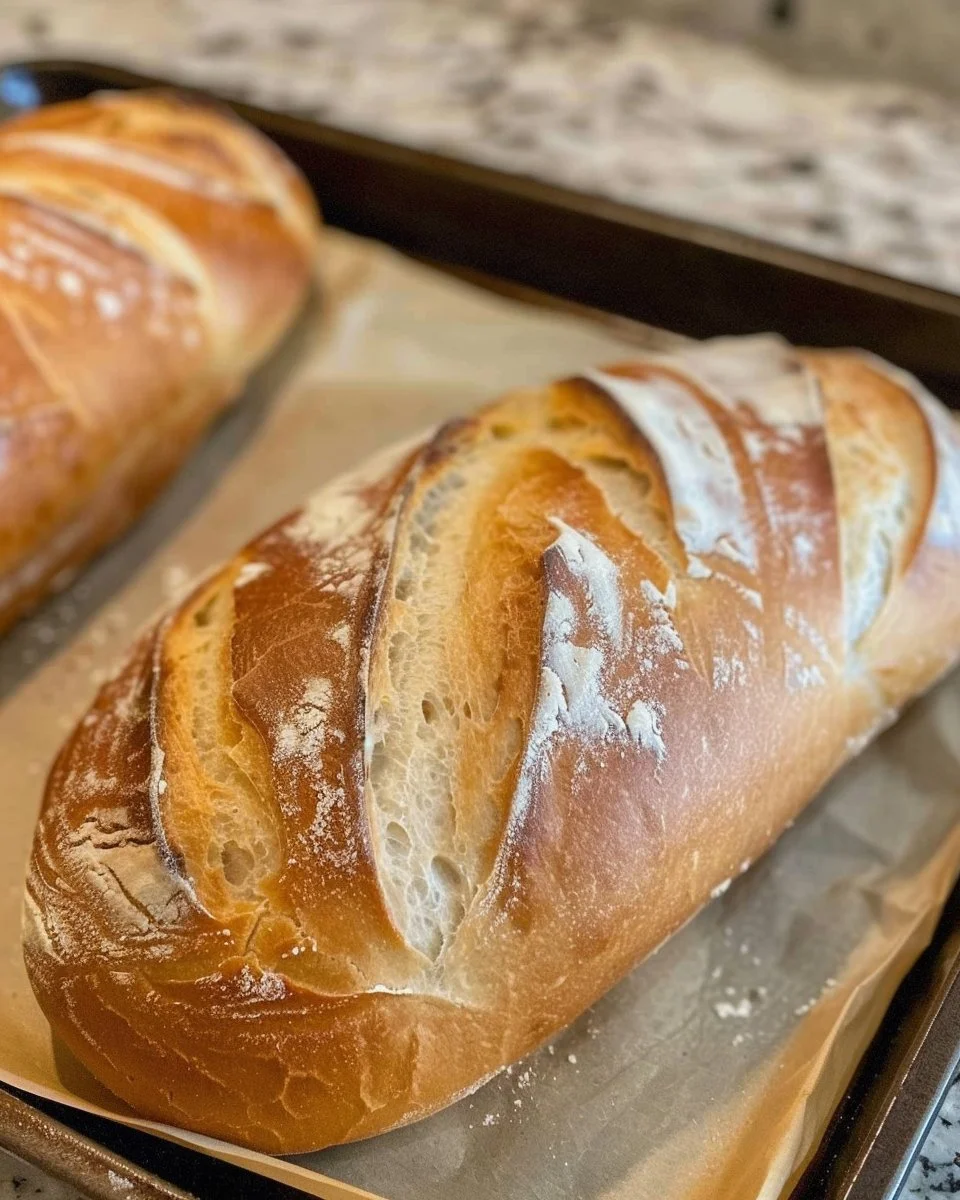
I bake a lot of bread, and this Quick Sourdough Discard French Bread is one of those recipes I reach for when I want fresh, crusty loaves without the usual multi-day timetable. It uses your sourdough discard for flavor and lift, takes under two hours from start to oven, and delivers a crisp exterior with a tender, slightly tangy crumb — perfect for sandwiches, dipping, or toasting at breakfast. If you like baked-brunch ideas, you might also enjoy this blueberry French toast casserole as an easy companion for a weekend spread.
Why you’ll love this dish
This recipe hits a sweet spot: it’s quick, uses discard you’d otherwise toss, and produces a true French-style loaf with minimal fuss. Because it bakes fast, it’s ideal for last-minute entertaining, weeknight garlic-bread upgrades, or when you want fresh bread for soups and stews without planning two days ahead.
"Crisp crust and great crumb, made from discard? This loaf became my go-to for sandwiches and Saturday brunch." — a reader review
Beyond the flavor and speed, this loaf is budget-friendly and forgiving. It’s a great introductory sourdough-baking step for people who want sourdough character without the long maintenance schedule. If you’re balancing carbs with protein, pairing a few slices with a high-protein meal is easy — check this roundup of quick, lower-carb, high-protein meals for ideas on what to serve alongside.
The cooking process explained
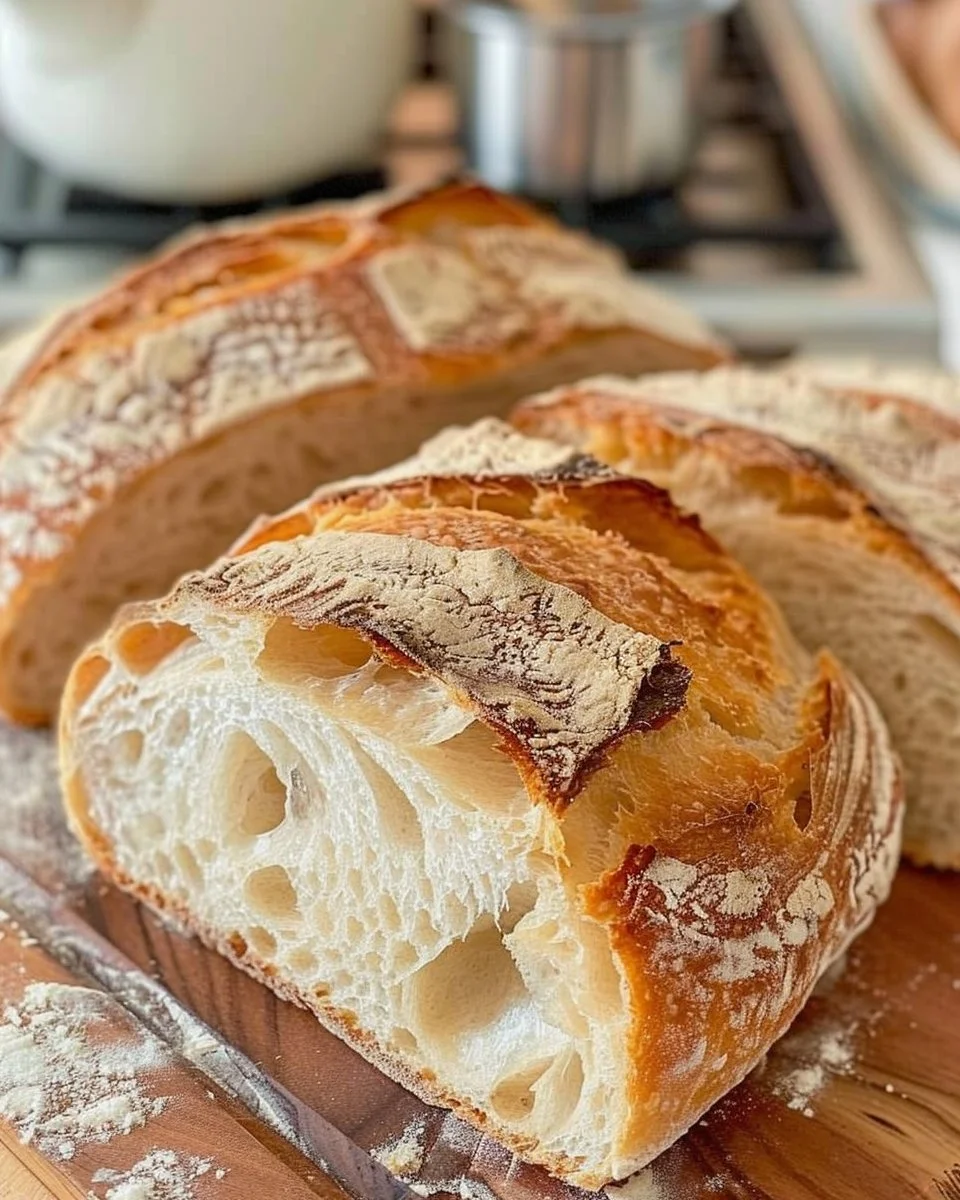
Overview: mix, brief ferment, shape, quick proof, and bake with steam. The discard gives acidity for taste and helps gluten development without a long bulk ferment. You don’t need extensive kneading; a few turns during a short rest build strength. The oven steam at the start creates that glossy, crackly crust typical of French bread.
Step sequence at a glance:
- Combine discard, water, flour, salt, and yeast; stir until shaggy.
- Rest (autolyse) briefly, then stretch-and-fold twice over 30 minutes.
- Shape into batards or baguettes and give a short proof until slightly puffy.
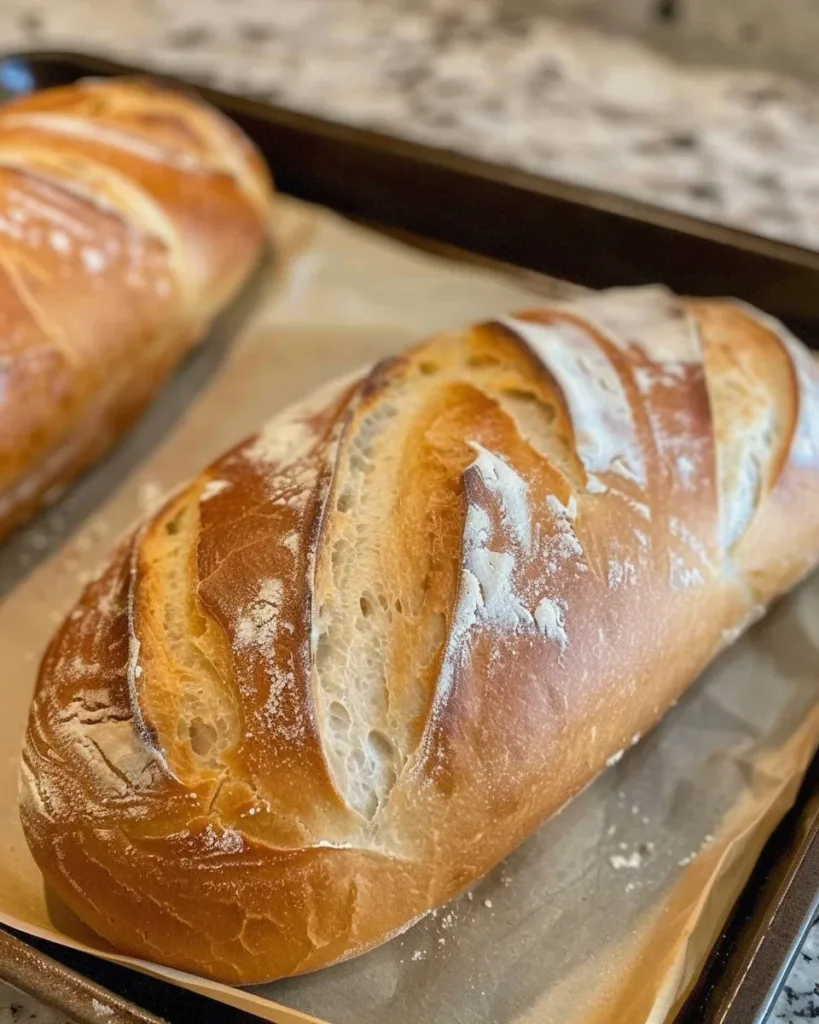
- Score and bake with steam at high heat for a crisp crust and open crumb.
What you’ll need
- Sourdough discard (about 1 cup; 100% hydration is ideal — if yours is stiffer, whisk with a little water).
- Active dry yeast (a small pinch accelerates the rise; instant works too).
- Bread flour (or all-purpose if needed; bread flour gives better chew).
- Salt and water.
- Optional: a little honey or olive oil for softer crust and flavor nuance.
If you want more bread inspiration or a sweet loaves comparision, this rustic Amish apple fritter bread is an enjoyable bake to try on another day. Substitutions: use 100% AP flour but expect a slightly softer structure; reduce yeast if you prefer a slower proof for more complex flavor.
Step-by-step instructions
- Warm 1 cup of water to about 80°F (27°C). Stir in 1 cup sourdough discard and 1 teaspoon active dry yeast until dissolved.
- Add 3 cups bread flour and 1½ teaspoons salt. Mix until just combined into a shaggy dough.
- Rest for 20 minutes (autolyse). This improves hydration and gluten development.
- Perform a gentle stretch-and-fold: wet your hand, lift one side of the dough, fold it over. Repeat on each side. Repeat this sequence twice at 15-minute intervals.
- Lightly flour your work surface and shape the dough into a tight batard or two smaller loaves. Aim for surface tension to encourage oven spring.
- Place the shaped loaf on a parchment-lined baking sheet or in a floured couche. Cover with a towel and proof at room temperature for 30–45 minutes, until puffy but not doubled.
- Preheat the oven to 450°F (230°C). Place a shallow pan on the bottom rack to create steam.
- Just before baking, slash the loaf with a sharp blade — 3–4 shallow diagonal cuts.
- Pour a cup of hot water into the shallow pan to create steam, quickly close the oven, and bake for 20–28 minutes until golden and hollow-sounding when tapped. Aim for an internal temperature of about 200–205°F (93–96°C).
- Cool on a rack for at least 20 minutes before slicing to let the crumb set.
Best ways to enjoy it
Serve this bread warm with salted butter, use it for crusty deli-style sandwiches, or slice and rub with garlic for a quick bruschetta. For a sweet-and-savory brunch, pair toasted slices with fruit preserves and ricotta. If you want more bread-to-table ideas, the classic Amish apple fritter bread shows how versatile homemade bread can be at family gatherings.
Storage and reheating tips
Short term: keep wrapped in a clean cotton bag or bread box at room temperature for up to 2 days to preserve crust. For softer crust, store in a sealed plastic bag (but that will soften the crust quickly). Long term: freeze whole or sliced loaves in airtight bags for up to 3 months; thaw at room temperature or toast slices straight from frozen.
Reheating: for a revived crust, heat oven to 350°F (175°C), spritz the loaf lightly with water, and warm for 5–10 minutes. To safely handle leftovers, discard any bread with visible mold immediately — do not try to salvage the un-moldy portion.
Pro chef tips
- Use lukewarm water (75–85°F) to keep the yeast active without killing it; if your discard is cold from the fridge, bring the water temp up a bit.
- If your discard is very sour or stiff, thin it with a tablespoon or two of water until spreadable — that hydration helps integrate it into the dough.
- For maximum crust, bake on a preheated baking stone and use steam for the first 10 minutes. If you don’t have a stone, a heavy baking sheet turned upside down works well.
- Slash confidently: shallow, swift cuts open nicely. A dull knife drags the dough.
- For softer interior and a golden sheen, brush lightly with olive oil before baking.
If you’re experimenting with cinnamon or sweeter twists, consider using this tried-and-true Amish cinnamon bread technique as inspiration for shaping and glazes.
Creative twists
- Garlic-herb: fold minced roasted garlic and chopped rosemary into the dough.
- Seeded crust: brush the dough with water, then roll in sesame, poppy, or a seed mix before baking.
- Sweet sourdough: add 1–2 tablespoons honey and raisins for a sweeter loaf; reduce yeast slightly.
- Whole-grain: replace up to 25% of the bread flour with whole wheat, and add an extra tablespoon of water to compensate.
- Mini loaves: shape into small rolls for individual sandwich buns; shorten bake time accordingly.
Common questions
Q: How much sourdough discard do I need and what hydration should it be?
A: Use about 1 cup of discard at 100% hydration (equal parts water and flour by weight). If your discard is thicker, whisk in a tablespoon or two of water until pourable.
Q: Can I skip the commercial yeast?
A: You can, but without added yeast the loaf will need a much longer bulk ferment and proof (many hours or overnight) — that turns this into a true sourdough schedule rather than a quick loaf.
Q: Why didn’t my loaf develop a good crust?
A: Likely reasons: insufficient steam during the first 10 minutes, oven temperature too low, or the loaf was covered or wrapped immediately after baking (which traps moisture). Try preheating your oven longer and using a steam method (hot pan + water) to improve crust.
Q: Is this safe to eat if I used refrigerated discard?
A: Yes — refrigerated or room-temperature discard is safe if it smells tangy but not rotten; discard that smells off, has pink/orange streaks, or visible mold should be thrown out.
Q: Can I freeze the dough instead of baked bread?
A: Yes. After shaping, flash-freeze the loaves on a tray, then bag them. Bake from frozen, adding a few extra minutes to the bake time.

Quick Sourdough Discard French Bread
Ingredients
Method
- Warm 1 cup of water to about 80°F (27°C). Stir in 1 cup sourdough discard and 1 teaspoon active dry yeast until dissolved.
- Add 3 cups bread flour and 1.5 teaspoons salt. Mix until just combined into a shaggy dough.
- Rest for 20 minutes (autolyse). This improves hydration and gluten development.
- Perform a gentle stretch-and-fold: wet your hand, lift one side of the dough, fold it over. Repeat on each side. Repeat this sequence twice at 15-minute intervals.
- Lightly flour your work surface and shape the dough into a tight batard or two smaller loaves.
- Place the shaped loaf on a parchment-lined baking sheet or in a floured couche. Cover with a towel and proof at room temperature for 30–45 minutes, until puffy but not doubled.
- Preheat the oven to 450°F (230°C). Place a shallow pan on the bottom rack to create steam.
- Just before baking, slash the loaf with a sharp blade — 3–4 shallow diagonal cuts.
- Pour a cup of hot water into the shallow pan to create steam, quickly close the oven, and bake for 20–28 minutes until golden and hollow-sounding when tapped.
- Aim for an internal temperature of about 200–205°F (93–96°C).
- Cool on a rack for at least 20 minutes before slicing.