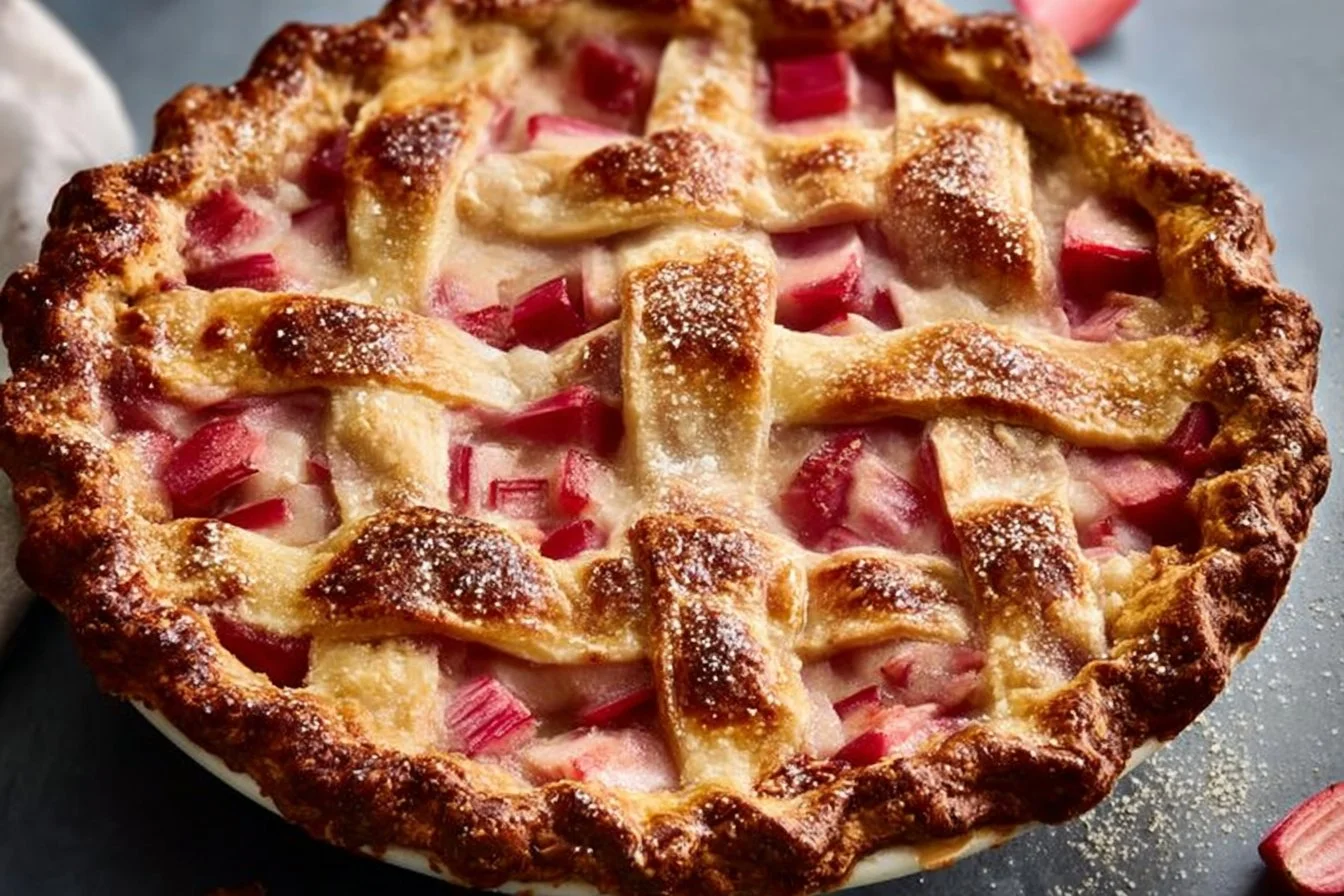
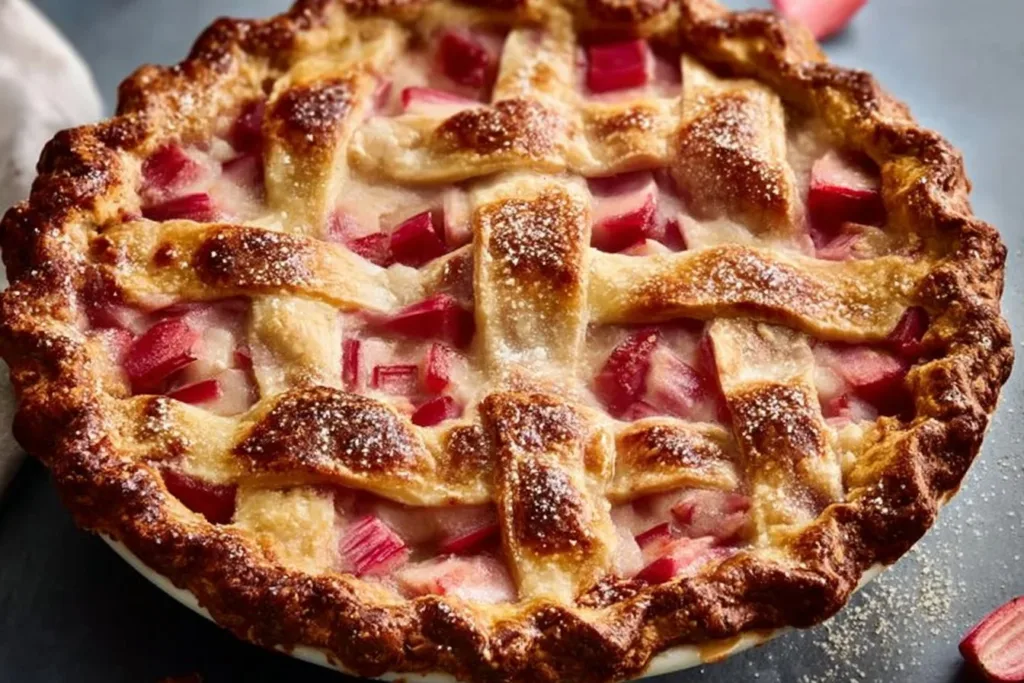
Rustic Rhubarb Pie
A Flaky Crust to Impress Your Guests
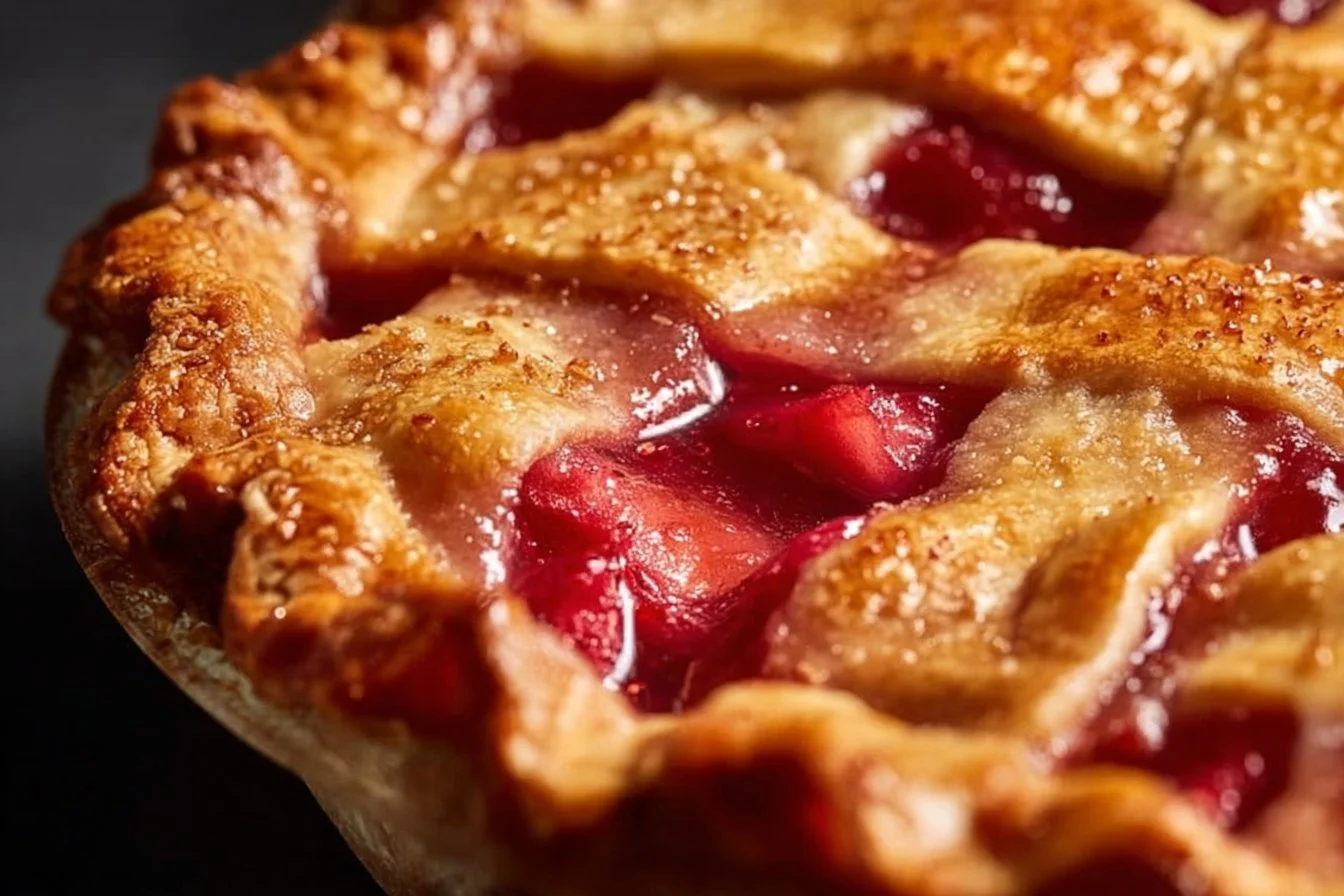
The aroma of a freshly baked pie filling the kitchen is irresistible, but the real star should always be the crust. With its golden-brown hue and delicate flakiness, the crust has the power to elevate any dessert or savory dish. Imagine biting into a slice, the crust yielding perfectly to a sweet or savory filling without any sogginess ruining the experience. Learning the right techniques to achieve that perfect crust means you’ll never have to worry about disappointing textures again.
Ease of Perfecting Your Crust
Creating a flawless crust may seem daunting, but with the right approach, it can be surprisingly simple. This method embraces both simplicity and deliciousness, ensuring that anyone can master it, regardless of baking experience. Whether you’re hosting a special occasion or whipping up a weekend treat, this crust recipe stands out for its versatility, making it a staple for various pies and tarts.
Celebrating the Crust
Why You’ll Love This Recipe
- Creates a perfectly crisp base
- Prevents sogginess, even with juicy fillings
- Easy to follow for beginners and experts alike
- Ideal for sweet and savory dishes
- Minimal ingredients required for maximum flavor
Overview of the Baking Process
To achieve that perfect crust, start by gathering your ingredients and prepping your work surface. Chill the butter and combine your dry ingredients while keeping everything as cold as possible. Roll out your dough gently, transfer it to your pie dish, and bake it until golden, ensuring that you follow the temperature and timing for optimum results.
Essential Tips for Preparation
Preparation is key when it comes to crafting an outstanding pie crust. Keep your work area cool, use cold ingredients, and don’t overwork the dough. The less you handle it, the flakier your crust will turn out. Make sure to allow your crust to rest, ensuring it holds its shape during baking.
Key Ingredients for Your Crust
- 2 ½ cups all-purpose flour
- 1 cup cold unsalted butter, cubed
- 1 teaspoon salt
- 1 tablespoon sugar
- 6 to 8 tablespoons ice water
Insight on Ingredients
Using quality ingredients can significantly impact the texture and taste of your crust. Opt for high-fat butter for richer flavor, and ensure your flour is fresh. If you want to experiment, you can substitute a portion of all-purpose flour with whole wheat flour or include a pinch of baking powder for added lift.
Steps to Create Your Dough
Begin by combining the flour, salt, and sugar in a bowl. Add the cold butter and use a pastry cutter to blend until you achieve a crumbly texture. Gradually mix in the ice water until the dough just comes together. Form it into a disk, wrap it in plastic, and chill until firm. Roll it out gently, fit it into a pie dish, and blind bake if needed.
Visual Guidance for Timing
- Dough resting: 30 minutes
- Blind baking: 10-15 minutes at 400°F
- Final baking: Until golden brown, approximately 25-30 minutes
Delightful Ways to Serve Your Crust
Once baked to perfection, your crust can be filled with seasonal fruits or savory mixtures. It acts as an incredible base for quiches, fruit tarts, or even savory galettes.
Serving Suggestions
- Pair with whipped cream for fruit pies
- Serve alongside cheese and charcuterie for savory tarts
- Use as a crust for creamy quiches
Best Practices for Storage
To keep your crust crispy and delicious, it’s important to store it properly. Refrigerate or freeze unbaked crusts to maintain freshness, and for baked pies, store them in an airtight container at room temperature.
Storage Tips
- Unbaked crust can be frozen for up to two months
- Baked crusts are best eaten within 3 days
- Reheat pie in the oven to refresh the crust
Tools and Techniques for Success
Having the right tools can simplify the process greatly. Use a sharp knife for cutting the butter, a pastry scraper for working the dough, and a rolling pin to achieve even thickness.
Handy Tips
- Chill any tools that will come into contact with the dough
- Use parchment paper for easy transfer of the rolled dough
- A pizza stone can help maintain an even temperature
Adapting Your Crust to Preferences
Feel free to get creative with your crust! Adapt ingredients to fit dietary needs or flavor preferences.
Flavor and Diet Swaps
- Swap butter for coconut oil for a dairy-free version
- Incorporate herbs for a savory flavor
- Use gluten-free flour for a gluten-free crust
Nutritional Info for Your Crust
Each serving contains approximately:
- Calories: 200
- Protein: 3g
- Fat: 12g
- Carbohydrates: 22g
- Serving size: 1 slice of crust
Adjusting Nutrition
To lower the calorie count, consider reducing butter and substituting part of the flour for almond flour, which will also add a nutty flavor.
Common Questions Answered
What can I do if my dough is too crumbly?
Add a little more ice water, a tablespoon at a time, until it holds together.
Can I use this crust recipe for tarts?
Absolutely, this crust works perfectly for tarts and quiches, just manage the thickness accordingly.
How do I prevent my crust from shrinking?
Chill the dough properly before baking and avoid stretching it when you place it in the pie dish.
Try It Yourself Today
Baking the perfect crust is an essential skill that every home cook should aspire to master. With your newfound knowledge and techniques, you’re ready to impress family and friends with gorgeous pies and tarts. Dive into the experience and enjoy the delicious rewards!
Flaky Pie Crust
Ingredients
Method
- Combine the flour, salt, and sugar in a bowl.
- Add the cold butter and use a pastry cutter to blend until you achieve a crumbly texture.
- Gradually mix in the ice water until the dough just comes together.
- Form the dough into a disk, wrap it in plastic, and chill until firm (about 30 minutes).
- Roll out the dough gently and fit it into a pie dish.
- Blind bake at 400°F for 10-15 minutes if needed.
- Bake the crust until golden brown, approximately 25-30 minutes.