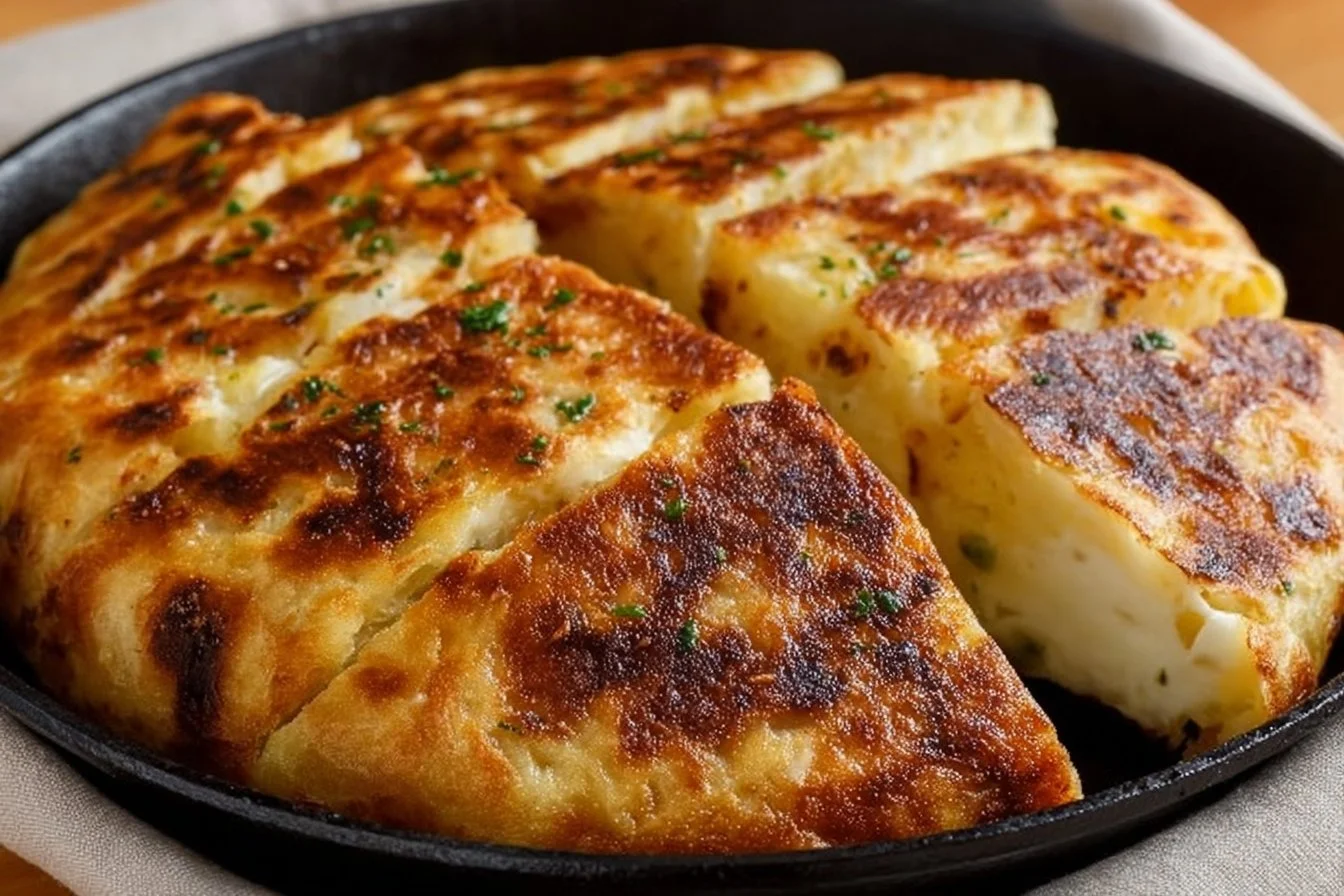
Super Simple Authentic Irish Potato Bread Made in a Skillet
Skillet comfort: simple Irish potato bread in minutes
This quick skillet bread smells of warm potatoes with a mild toasty edge and has a tender, slightly chewy crumb with a crisp golden exterior—perfect for breakfast, a soup side, or a cozy snack. If you enjoy quick homey loaves, you might also like my take on homemade cinnamon swirl banana bread, which shares the same unfussy, comforting vibe.
An everyday bread that’s forgiving and fast
This recipe is forgiving because cooled mashed potatoes add moisture and flexibility, so the dough tolerates a range of flour amounts and doesn’t need yeast or long rise times. It’s ideal when you want bread-like comfort without planning ahead.
What makes this bread lovable
Quick highlights
- Ready from bowl to table in under 30 minutes.
- Uses simple pantry staples and leftover mashed potatoes.
- Crisp outside with a soft, pillowy inside.
- Works as breakfast, a sandwich base, or a side for soups and stews.
- No yeast, no proofing—very beginner-friendly.
From bowl to skillet: the basic rhythm
Combine potatoes and salt, bring in flour until a soft dough forms, shape into a round and cut into wedges, then cook in a lightly greased skillet until each side is golden and cooked through. For other quick savory meal ideas you can pair with the bread, check these 10-minute vegan burrito wraps for inspiration.
Prep strategies to save time and stress
Make the mashed potatoes a day ahead and refrigerate so they are fully cooled, which makes the dough easier to handle. If you need a no-fuss side, assemble the dough while a soup simmers. If you’re planning a full low-calorie meal, consider pairing with these 11 low-calorie high-protein soups to round out the plate.
Everything you’ll need
2 cups plain mashed potatoes (cooled), 1½–2 cups all-purpose flour, 1 teaspoon salt, 1–2 teaspoons butter or neutral oil (for cooking)
Notes on ingredient swaps and quality
Use starchy potatoes (like Russets) for fluffier mashed potatoes; waxy potatoes will yield a slightly denser result. If your mashed potatoes already contain butter or milk, treat the dough as slightly richer and start with the lower end of the flour range. For gluten-free, experiment with a 1-to-1 gluten-free flour blend and expect a different texture.
Step-by-step skillet cooking directions
Start by placing the cooled mashed potatoes in a mixing bowl and add the salt, stirring until evenly combined. Gradually add the all-purpose flour, mixing a little at a time until the mixture holds together into a soft, slightly tacky dough—use between 1½ and 2 cups flour depending on potato moisture. Turn the dough onto a lightly floured surface, form it into a round about 1 inch thick, then cut that round into 4 wedges. Heat a skillet over medium heat and lightly grease with 1–2 teaspoons butter or neutral oil; add the wedges and cook 3–4 minutes per side, until each side is golden brown and the centers feel set. Serve the wedges warm.
When to flip: timing and visual cues
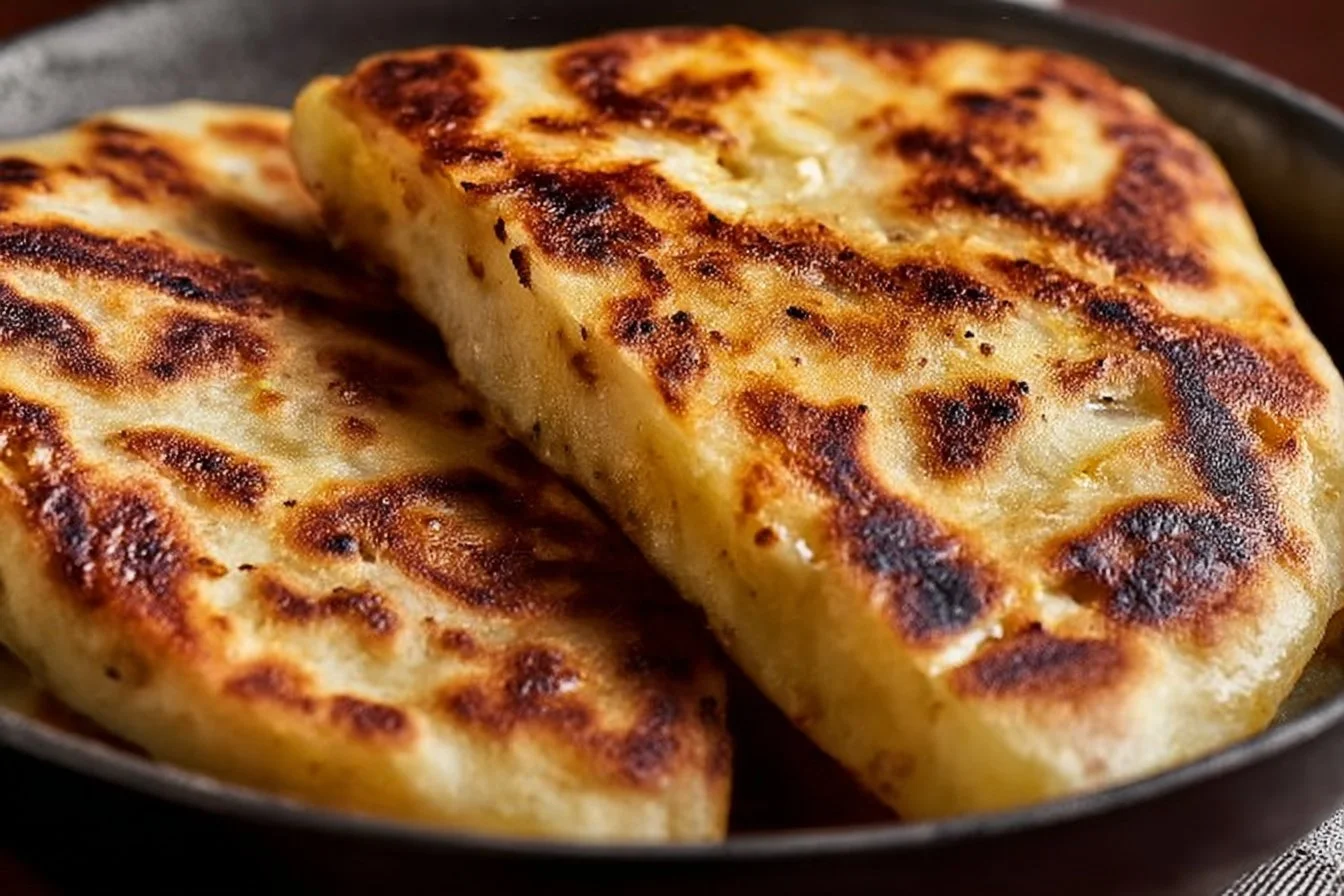
Flip when the edges lift slightly from the skillet and the underside is a deep golden brown; a 3–4 minute window per side on medium heat is typical, but reduce heat a touch if the exterior browns too quickly before the center sets.
Serving suggestions and occasions
This bread is versatile enough for breakfast, a quick lunch, or as an accompaniment to stews and salads—serve warm with butter, alongside a bowl of soup, or split and filled with eggs or grilled vegetables.
Serving ideas
- Spread with butter and a pinch of flaky sea salt.
- Use as a base for a fried-egg sandwich.
- Serve with hearty stews or chili for dipping.
- Offer with preserves or honey for a sweeter option.
Keeping leftovers and reheating safely
Let leftovers cool to room temperature within two hours, then refrigerate in an airtight container for up to 3 days or freeze for up to 1 month. Reheat gently to preserve texture.
Storage reminders
- Refrigerate within 2 hours of cooking.
- Reheat in a skillet over low heat to restore crispness.
- Thawed frozen wedges reheat best in a low oven (350°F) for 8–10 minutes.
Tools and small technique shortcuts
A heavy skillet or cast-iron pan gives the best, even browning; a bench scraper makes cutting the round easy; a small offset spatula helps flip wedges without tearing.
Extra tips
- Dust your work surface lightly with flour to prevent sticking.
- If dough feels gummy, let it rest 5 minutes so the flour hydrates.
- Use a kitchen scale for consistent dough if you make this often.
Flavor and diet-friendly variations
Add chopped chives or scallions to the dough for a savory herb lift, sprinkle za’atar or smoked paprika on the cooked surface, or fold in a little shredded cheddar for richness.
Easy swaps
- For gluten-free: try a commercial 1:1 gluten-free flour blend (texture will differ).
- Dairy-free: use oil instead of butter for cooking.
- Herb version: fold 2 tablespoons chopped herbs into the dough.
Nutrition snapshot per serving
Serving size: 1 wedge (1/4 of batch). Approximate per serving: Calories ~285 kcal, Protein ~7–8 g, Fat ~3–5 g, Carbohydrates ~55–60 g. These are estimates and will vary based on the exact mashed potato ingredients and the amount of flour used.
Nutrition adjustment notes
Reduce carbs by serving smaller wedges; increase protein by pairing with eggs or a high-protein soup. Using whole-grain flour will add fiber and slightly change macros.
Common quick questions answered
Q: Can I use hot mashed potatoes?
A: No—use cooled mashed potatoes so the dough isn’t too sticky and so you don’t activate excess steam while shaping.
Q: What if the dough is crumbly?
A: Add a tablespoon of water or a little leftover milk and knead briefly until it holds together; avoid adding too much flour.
Q: Will this work on an electric griddle or in the oven?
A: Yes—an electric griddle set to medium works fine; for oven baking, pan-fry briefly to get color then finish at 375°F until cooked through.
Q: Can I make smaller rounds or more wedges?
A: Yes—cut into more pieces for smaller portions, but reduce cooking time slightly and watch for doneness.
Give this skillet bread a try
These simple, tender potato wedges come together with minimal fuss—try the recipe with leftover mashed potatoes and let the warm, comforting slices become a new weeknight favorite.

Simple Irish Potato Bread
Ingredients
Method
- Place the cooled mashed potatoes in a mixing bowl and add the salt, stirring until evenly combined.
- Gradually add the all-purpose flour, mixing until the mixture holds together into a soft, slightly tacky dough.
- Turn the dough onto a lightly floured surface, form it into a round about 1 inch thick, then cut that round into 4 wedges.
- Heat a skillet over medium heat and lightly grease with butter or neutral oil.
- Add the wedges and cook for 3-4 minutes per side, until each side is golden brown and the centers feel set.
- Serve the wedges warm.